Winter Storm Warning: What It Means, What To Do, and How To Stay Safe
A winter storm can feel calm at first, then change fast. This guide explains what a winter storm warning means, how to prepare your home and car, and what to do during and after the storm—using clear, simple steps that work in real life.
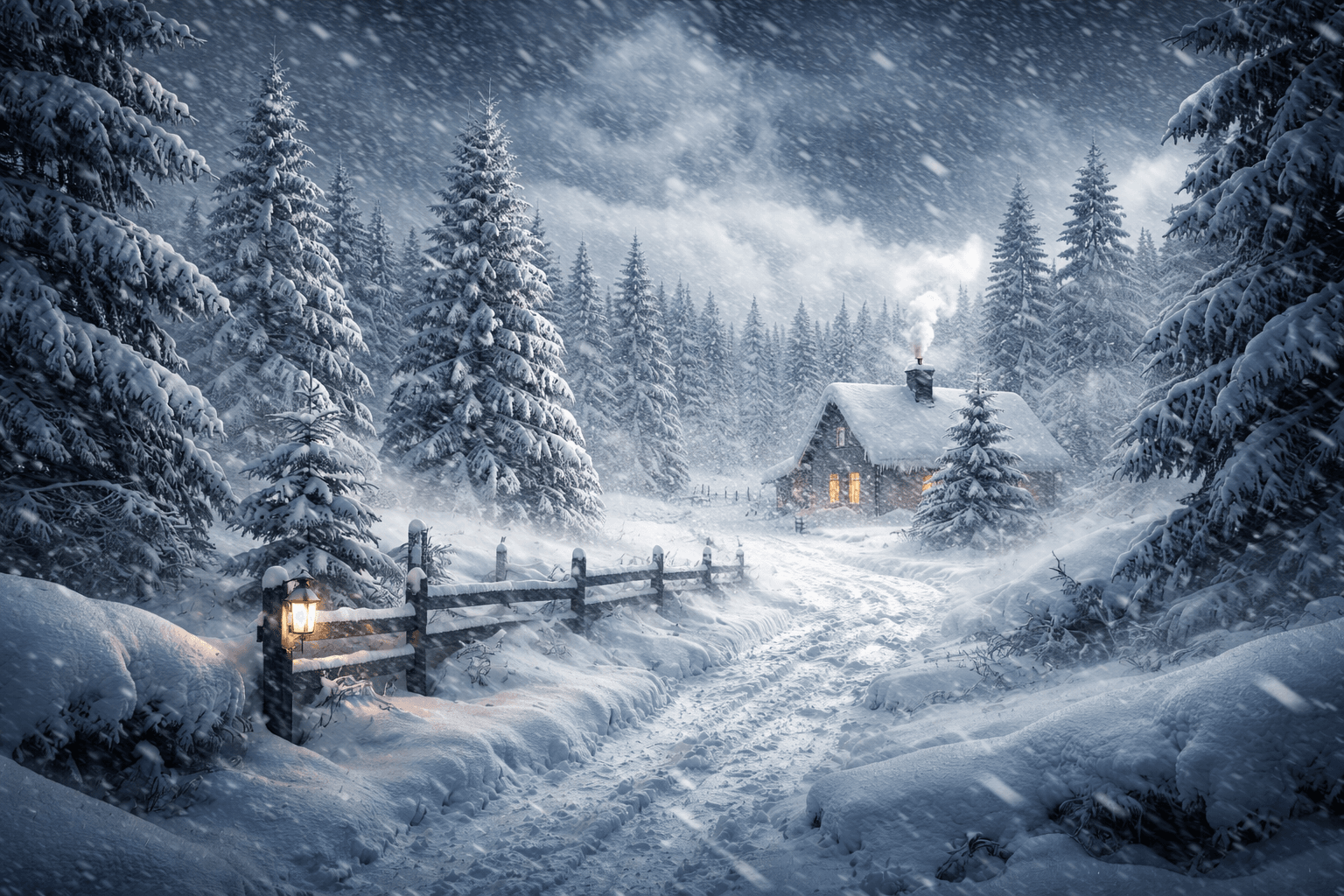
A Calm Start Can Turn Risky Fast
Winter weather looks beautiful, but it can become dangerous within minutes. When you see a winter storm warning, it is a signal to take real action. It means harsh winter weather is happening now or will start very soon. That can include heavy snow, ice, sleet, strong wind, and low visibility. During a winter storm warning, roads can become slippery, trees can break under ice, and power can fail. I have seen storms that looked “light” at first, then suddenly cars could not stop and sidewalks felt like glass. The good news is that small steps taken early can protect you. In this guide, you will learn exactly what to do, what to avoid, and how to stay calm and safe from start to finish.
What a Winter Storm Warning Really Means
A winter storm warning is not a maybe. It is a clear message that severe winter weather is expected soon or is already happening. It is issued when the risk is high enough that travel and daily life may become unsafe. This warning can cover heavy snowfall, dangerous ice, or a mix of snow and sleet. It may also include strong winds that blow snow across roads and reduce visibility. When a winter storm warning appears, think of it as a safety alarm. The best time to prepare is before the storm fully arrives. If you wait, stores may run out of basics and roads may become blocked. Taking early steps can help you stay warm, avoid stress, and protect your home and family.
Warning vs Watch: The Easy Difference
Many people confuse a watch and a warning. A watch is a heads-up that winter storm conditions are possible. A winter storm warning means the threat is much closer and more certain. In simple terms, a watch says “be ready,” while a warning says “act now.” If you see a watch, you can quietly check supplies and plan your schedule. If you see a winter storm warning, finish your preparations, avoid non-essential trips, and make sure your phone is charged. I’ve noticed that the biggest problems happen when people ignore a watch, then rush during the warning. Early calm planning makes the warning period much safer and easier.
What Weather Can Trigger a Winter Storm Warning?
A winter storm warning can be issued for different kinds of winter weather. In many areas, heavy snow in a short time is the main trigger. In other places, ice is the biggest danger, especially freezing rain that coats roads, sidewalks, and power lines. Sleet can also create rough travel conditions. Wind matters too. Strong wind can blow snow, create white-out moments, and push cold air into homes. Weather teams also think about timing. A storm that hits during rush hour can be more dangerous than the same storm at midnight. This is why a winter storm warning is about impact and risk, not just how pretty the snow looks.
How Long Can a Winter Storm Warning Last?
A winter storm warning may last a few hours or more than a day. It depends on how long the storm is expected to affect your area. Warnings often begin before the first flakes fall so people can prepare. They may be updated if the storm moves slower or becomes stronger. Even when a warning ends, danger can remain. Roads may still be icy, snowbanks can block driveways, and cold temperatures can keep surfaces frozen. One important lesson is this: the end of the warning does not always mean the end of risk. After a winter storm warning, take your time before driving or walking on untreated paths.
Biggest Dangers During a Winter Storm
The most common danger during a winter storm warning is travel. Ice reduces tire grip and makes braking harder. Visibility can drop quickly when wind blows snow. Another serious risk is cold exposure. If power goes out, indoor temperatures can fall faster than people expect. Slips and falls are also common, especially on steps and driveways. Heavy snow can strain roofs and damage gutters. Ice can bring down tree limbs and power lines. Another hidden danger is unsafe heating, like running a generator too close to the home. During a winter storm warning, safety is mostly about avoiding rushed choices. Calm, slow, and prepared actions reduce accidents.
What To Do Right Away When You See the Warning
When a winter storm warning appears, take fast, simple steps. First, check your schedule and cancel what you can. Next, charge phones, power banks, and rechargeable lights. Set aside easy foods and drinking water. Bring pets indoors and make sure they have warm bedding. If you live where pipes freeze, keep your home warm and let faucets drip lightly. Move your car to a safe place and top off fuel. Also, check on neighbors who may need help. I keep one small box in winter with batteries, flashlights, and snacks. That habit has saved me stress more than once during a winter storm warning.
Fast Power Prep
Charge devices, keep a flashlight ready, and save battery by lowering screen brightness. If the power fails, you will still have light and a way to call for help.
Home Warmth Plan
Pick one main room to stay warm in. Close doors to other rooms. Keep blankets, hats, and warm socks nearby for quick comfort.
Home Preparation: Warmth, Water, and Safety
Your home should feel like a safe base during a winter storm warning. Block drafts by placing a towel under doors. Close curtains at night to hold warmth inside. Keep extra blankets and warm clothing ready. Store drinking water in case pipes freeze. Know where your main water shutoff is, just in case a pipe bursts. If you use a generator, keep it outside and far from windows. Never bring it indoors. Carbon monoxide is a serious risk. If you use space heaters, keep them away from curtains and bedding. These steps are simple, but they prevent many common storm problems during a winter storm warning.
Car and Travel Safety: Avoid Getting Stuck
If you can avoid roads during a winter storm warning, that is the best choice. But if you must drive, prepare your car like a small shelter. Keep your fuel tank at least half full. Pack a blanket, water, snacks, flashlight, and a small shovel. Add sand or kitty litter for traction. Clear snow from your roof, lights, and windows before driving. Drive slowly and leave extra space between cars. Bridges and ramps freeze first, so be extra careful there. If you get stuck, stay in the car, call for help, and run the engine only sometimes for heat. During a winter storm warning, patience and preparation are your best tools.
Family Plans That Reduce Stress
A winter storm warning is easier when everyone knows the plan. Decide who checks weather updates and how often. Pick a safe indoor spot to stay warm if power fails. Keep simple meals ready. If you have children, explain the basics in calm words: stay inside, stay warm, and help each other. Plan a few no-power activities like board games or reading. Also plan for pets with extra food and warm bedding. In my experience, the biggest stress is not the snow—it is confusion. A clear plan makes a winter storm warning feel manageable and even peaceful.
Winter Storm Checklist Table
Use this table as a simple guide before and during a winter storm warning. It keeps you focused on the steps that matter most.
| Category | What To Do | Why It Matters | Quick Tip |
|---|---|---|---|
| Weather | Check alerts and updates every few hours. | Storm timing can shift quickly. | Use one trusted weather source. |
| Power | Charge phones, power banks, and rechargeable lights. | Outages can happen without warning. | Keep brightness low to save battery. |
| Heat | Gather blankets, warm layers, and hats. | Layers reduce cold stress indoors. | Warm socks make a big difference. |
| Food | Store easy meals and snacks. | Travel can become unsafe fast. | Add no-cook options too. |
| Water | Fill bottles and containers. | Pipes can freeze or lose pressure. | Keep extra water for pets. |
| Safety | Use flashlights and spare batteries. | Safer than open flames in storms. | Place lights where you can grab fast. |
| Medical | Refill important medicines. | Pharmacies may close or delay. | Keep a 7-day buffer if possible. |
| Car | Fuel up and pack an emergency kit. | Getting stuck can be life-threatening. | Add a blanket and small shovel. |
| Pipes | Let faucets drip lightly and open sink cabinets. | Reduces freezing risk. | Keep indoor heat steady. |
| Community | Check on older adults or neighbors living alone. | They may need help or warmth. | A quick call can save trouble. |
During the Storm: Stay Calm and Make Safe Choices
During a winter storm warning, staying indoors is often the safest choice. Keep updates on your phone and avoid risky trips outside. If the power goes out, stay in one room and close doors to keep heat in. Eat and drink regularly because your body needs energy in cold weather. Avoid unsafe heating, like ovens or grills. If you must shovel snow, work slowly and take breaks. Many injuries happen when people rush or lift heavy snow too fast. The goal during a winter storm warning is simple: stay warm, stay informed, and avoid preventable risks.
After the Storm: Hidden Risks People Forget
After a winter storm warning ends, danger can still remain. Roads may look clear but still hide black ice, especially in shaded places. Snow can slide off roofs without warning. If you clear snow, keep kids away from plows and avoid building tunnels in snowbanks. Check your home for leaks when pipes thaw. If your power returns, make sure food is safe and your heat is stable. I’ve learned that “after-storm safety” prevents many accidents. Take your time and return to normal slowly after a winter storm warning.
FAQs About Winter Storm Warning
These quick answers help you make smarter choices during a winter storm warning.
Should I travel during a winter storm warning?
Can a winter storm warning happen without heavy snow?
What should I keep in a winter emergency kit?
How do I prevent frozen pipes during the warning?
What is the safest way to heat my home if power goes out?
When can I drive again after the warning ends?
Final Thoughts: Treat It Like a Real Safety Signal
A winter storm warning is meant to protect you. When you act early, you reduce stress and avoid last-minute panic. The best plan is simple: prepare your home, avoid risky travel, keep warm, and stay informed. Save the checklist table, build a small storm kit, and talk with your family about the plan. Even small steps can prevent big problems. If this guide helped you, share it with someone you care about. One message can help a friend make safer choices during the next winter storm warning.