Assimilation
The Beautiful Journey of Understanding Assimilation
Have you ever wondered how we make sense of the world around us? Every single day, our brains take in thousands of new things. From the first time a child sees a colorful bird to an adult learning a new language, we are always growing. This wonderful process is called assimilasjon. It is a natural way that our minds and our societies blend new ideas with what we already know. When we talk about this, we are looking at a bridge. This bridge connects our past experiences with our future possibilities. It helps us feel at home in new places and helps us understand our neighbors better.
In the United States, we see this process everywhere. It is like a giant, beautiful tapestry where every thread adds a new color. Whether it is through food, music, or traditions, we are constantly in a state of assimilasjon. This isn’t just a fancy word from a textbook; it is a living, breathing part of being human. By understanding how it works, we can become more welcoming and more successful in everything we do. Let’s dive deep into this topic and see how it shapes our hearts and minds for the better!
What Exactly Is Assimilation in Our Daily Lives?
At its simplest level, assimilasjon is like adding a new book to a library you already have. You don’t throw away your old books; you just find a spot for the new one that makes sense. In psychology, this happens when we see something new and think, “Hey, that looks like something I’ve seen before!” For example, if a child knows what a dog is and sees a different breed for the first time, they use assimilasjon to realize it is still a dog. They are expanding their world without having to rebuild everything they know from scratch.
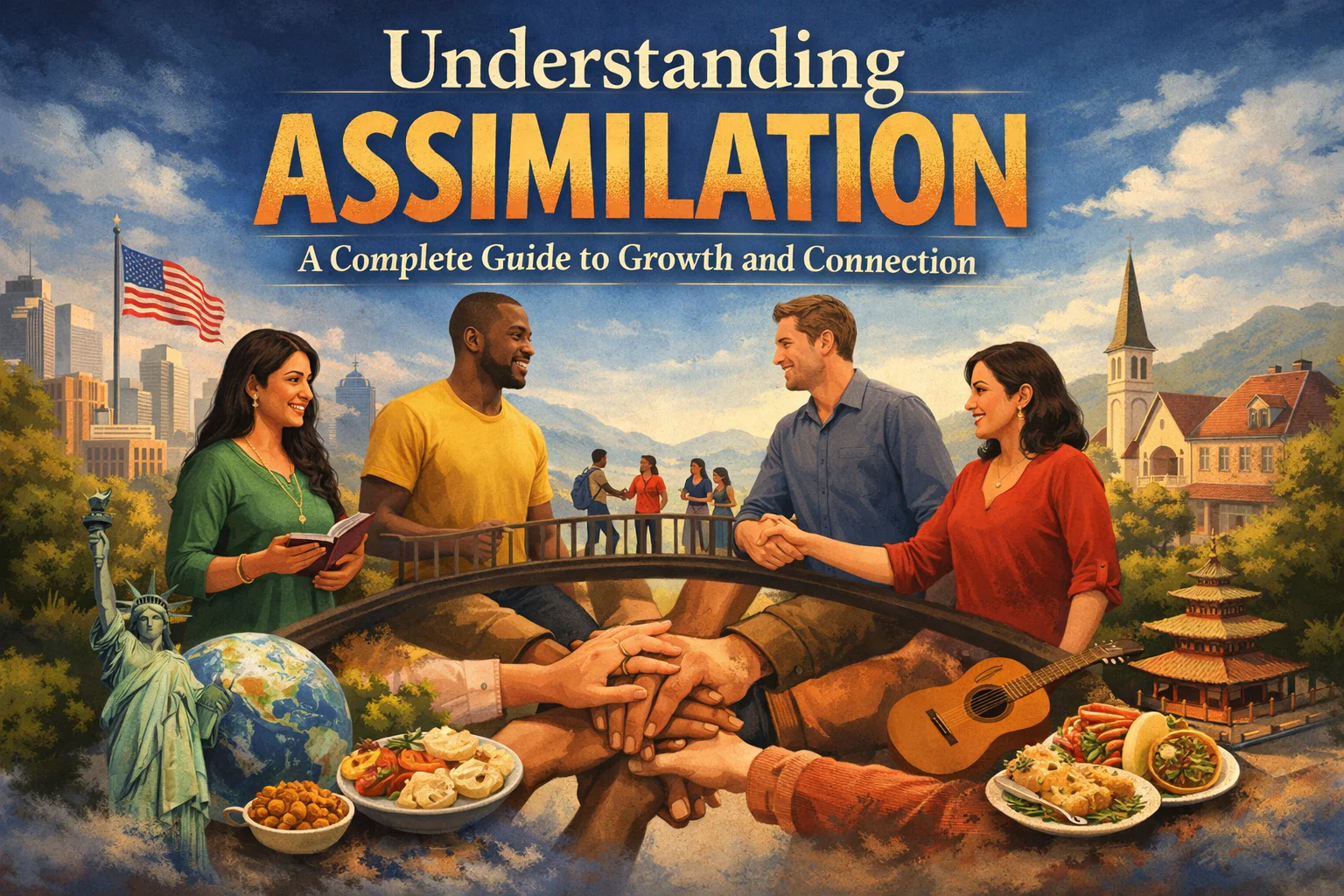
In a bigger sense, we see this in our communities. When people move to a new country like the USA, they bring their amazing culture with them. Over time, they start to pick up local customs, and the local culture starts to pick up things from them, too. This is the heart of assimilasjon. It is a two-way street that makes our society richer and more vibrant. It allows us to communicate, work together, and build a future where everyone feels like they belong. It is truly a powerful tool for harmony and progress.
The Amazing Types of Assimilation You Should Know
There are different ways this process happens, and each one is special. First, we have cultural assimilasjon. This is when a group of people starts to adopt the habits, language, and beliefs of another group. It usually happens slowly over time. Think about how many people in America love eating tacos or sushi! These were once “new” foods, but through the process of blending, they became a part of the everyday American diet. This shows how we grow stronger by embracing new things into our daily routines.
Another type is structural assimilasjon. This is more about how people join in with the big parts of society, like schools, jobs, and clubs. When someone starts a new job in a different city, they learn the “unwritten rules” of that office. They are using assimilasjon to fit in and become a valuable member of the team. This kind of growth is essential for success. It helps us navigate different social circles with confidence and grace. When we understand these different types, we can see the process happening all around us every day.
Why Assimilation Is a Superpower for Personal Growth
Think of assimilasjon as a muscle for your brain. The more you use it, the smarter and more flexible you become. When we encounter a new idea that challenges us, our first instinct is often to see how it fits with our current beliefs. This keeps us feeling safe and stable. It allows us to learn very quickly because we aren’t starting from zero every time we wake up. We are building on a solid foundation of knowledge that we have been gathering since we were babies.
Furthermore, this process helps us build empathy. When we practice assimilasjon in social settings, we are trying to find common ground with others. We look for the things that make us the same rather than the things that make us different. This creates a positive energy that draws people together. It turns strangers into friends and neighborhoods into families. By embracing this natural process, we open ourselves up to a world of endless learning and deep, meaningful connections with the people in our lives.
Comparison Table: Assimilation vs. Accommodation
| Feature | Assimilation (Assimilasjon) | Accommodation |
| Simple Definition | Fitting new info into old boxes. | Making new boxes for new info. |
| Brain Effort | Easy and fast. | Takes more work and time. |
| Outcome | Existing ideas get bigger. | Ideas actually change or grow. |
| Example | Seeing a new dog and saying “Dog!” | Realizing a cat is NOT a dog. |
| Goal | Staying comfortable and quick. | Developing a deeper understanding. |
How Assimilation Shapes the “Melting Pot” of America
The United States is often called a “melting pot,” and assimilasjon is the heat that helps everything blend together. Over hundreds of years, people from every corner of the globe have come here. They brought their music, their stories, and their hard-work ethics. Through assimilasjon, these diverse elements have merged into a unique American identity. We see it in the way we celebrate holidays or the slang words we use. It is a constant cycle of giving and taking that keeps our nation fresh and exciting.
However, it is important to remember that this process doesn’t mean people have to lose who they are. Modern assimilasjon is more like a “salad bowl.” Every ingredient keeps its own flavor, but they all taste better when they are together in the same bowl. This version of the process respects where people come from while helping them move forward in their new home. It creates a sense of unity that is built on variety. This balance is what makes the USA such a dynamic and powerful place to live and work.
The Role of Language in the Assimilation Process
Language is one of the biggest tools for assimilasjon. When we learn to speak a new language, we aren’t just learning words; we are learning a new way to see the world. In the USA, many families speak one language at home and English at school or work. This “bilingual” life is a perfect example of how our brains handle multiple streams of information. It allows people to stay connected to their roots while fully participating in the wider community around them.
As people use English more, they find it easier to get better jobs, make more friends, and understand the news. This is a very positive form of assimilasjon. It breaks down walls and builds bridges. But the coolest part is that English also changes! We adopt words from other languages all the time. Think of words like “safari,” “ballet,” or “pizza.” This shows that as we assimilate into a language, the language also assimilates part of us. It is a beautiful dance of communication that never stops evolving.
Overcoming Challenges During the Transition
Sometimes, the process of assimilasjon can feel a bit scary or difficult. When everything is new, our brains can get tired. This is often called “culture shock.” It happens when there is so much new information that we can’t fit it into our old boxes fast enough. It is important to be patient with ourselves and others during these times. Remembering that this is a natural part of growth can help us stay positive and keep moving forward. We all go through it at some point in our lives.
To make this easier, we can look for “anchors.” Anchors are things that stay the same even when everything else is changing. Maybe it’s a favorite hobby, a specific food, or talking to family. These anchors give us the strength to continue the process of assimilasjon without feeling lost. When we support each other through these transitions, we build a much stronger and more resilient community. Kindness and understanding are the best ways to help everyone feel like they have a place where they truly belong.
Education and the Power of Learning New Concepts
In schools, teachers use assimilasjon every single day to help students learn. When a teacher introduces a new math problem, they usually start by reminding the students of something they already know. They might say, “Remember how we did addition? Well, this is just a faster way to do it!” By connecting the new lesson to an old one, the teacher is making it easy for the students’ brains to accept the new information. This makes learning feel like a fun adventure instead of a hard chore.
This method works for adults, too! Whether you are learning how to use a new app on your phone or starting a new hobby like gardening, you are using your past experiences to guide you. This is why we say that “experience is the best teacher.” Your brain is a master at assimilasjon. It is always looking for patterns and connections. When we lean into this, we can pick up new skills much faster. It gives us the confidence to try new things and keep growing no matter how old we are.
The Future of Connection in a Digital World
In today’s world, the internet has changed how assimilasjon happens. We are now connected to people from all over the planet with just a click of a button. We can see how people live in different countries, hear their music, and learn about their lives instantly. This “digital blending” is a new frontier for how we grow as a global family. We are assimilating ideas from across the globe faster than ever before. It is a truly exciting time to be alive and learning!
As we move forward, we have the chance to use this digital assimilasjon to create a world that is more peaceful and understanding. By seeing the beauty in different cultures online, we can bring those positive vibes into our real-world lives. We can learn to be better neighbors and better friends. The more we know about each other, the less we fear. This process of blending and growing is the key to a bright and successful future for everyone, everywhere. Let’s keep exploring and connecting!
Real-Life Examples of Successful Blending
Let’s look at some fun, real-life examples of assimilasjon. Think about the holiday of St. Patrick’s Day. Originally from Ireland, it is now celebrated by millions of people in the USA, regardless of their background. People wear green, eat special food, and enjoy parades. This is a classic example of a cultural tradition being assimilated into the wider American culture. It has become a joyful day for everyone to celebrate together, showing how a single tradition can bring a whole nation closer.
Another great example is the world of music. Jazz music was born from a blend of different musical styles and cultures. It took elements from many places and created something entirely new and beautiful. Through assimilasjon, jazz became a global phenomenon that people everywhere love. These examples show that when we open our hearts and minds to new influences, we create things that are much better than what we had before. It is the secret ingredient to creativity and innovation in every part of our lives.
Conclusion: Embracing the Spirit of Growth
In the end, assimilasjon is all about growth, connection, and harmony. It is the natural way our minds and our societies evolve to become better and more inclusive. By understanding this process, we can navigate changes in our lives with much more ease and positivity. We can welcome new neighbors, learn new skills, and build a community that is rich with different ideas and shared goals. It is a journey that we are all on together, and it is one that leads to a much brighter future for us all.
So, the next time you encounter something new, take a deep breath and let the process of assimilasjon work its magic. Look for the connections, find the common ground, and enjoy the feeling of your world getting just a little bit bigger. Every new experience is a gift that helps you become a wiser and more empathetic person. Let’s celebrate our ability to adapt and grow! Together, we can make our world a place where everyone feels at home and every voice is heard.
Frequently Asked Questions (FAQs)
1. Is assimilation the same as losing my culture? Not at all! Think of it as adding new layers to who you are. You can keep your beautiful traditions while also learning new ones. It’s about growing your world, not shrinking it.
2. Why is assimilation important for kids? It helps them learn faster! By connecting new things at school to what they know at home, their brains can process information more easily. It makes them feel confident and smart.
3. Does everyone go through this process? Yes, every single person does! Whether you move to a new country or just start a new grade in school, your brain is always using assimilasjon to help you fit in and succeed.
4. How can I help someone who is new to my area? Be a friend! Share your local traditions and ask about theirs. This makes the process of assimilasjon feel safe and happy for them. Kindness is the best way to build a bridge.
5. Can assimilation happen online? Absolutely! We learn about new foods, music, and ideas from the internet every day. This “digital blending” helps us feel more connected to people all over the world.
6. What is the biggest benefit of this process? The biggest benefit is unity. It helps us find common ground and work together. When we understand each other, we can build a much more peaceful and successful world for everyone.
You may also like to read: Transform Your Garden with Mannacote: The Ultimate Secret to Vibrant, Healthy Plants
About the Author
